

TechWise
Peer to Peer program
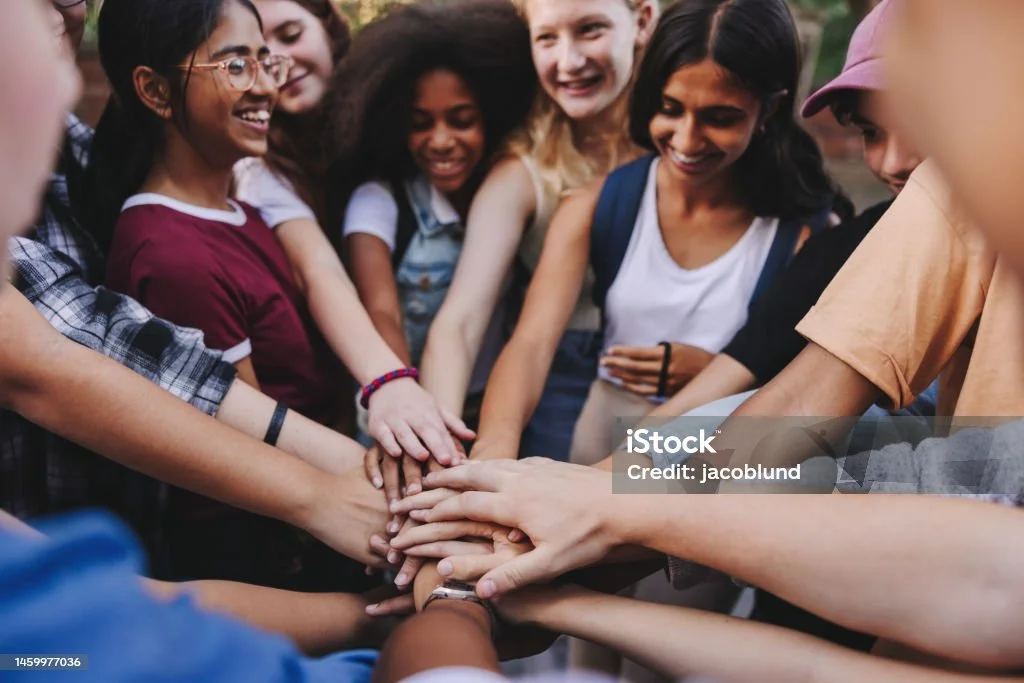
One program, two age groups, double the impact. High schoolers lead, middle schoolers listen, and both come away with real tools for a healthier relationship with tech.

The unaddressed Digital Wellness Gap
Schools are under real pressure to respond to growing concerns about kids and technology, and parents are counting on them to be part of the solution.
Your school probably already has a phone policy. It might even have a digital citizenship class.
But there's a meaningful gap between telling kids what not to do and helping them develop agency through understand their own relationship with the online world.
That's the gap that the TechWise Peer to Peer Program fills.

our approach: Why Peer to Peer Works
The TechWise program is grounded in decades of research on what's known as the Protégé Effect: the well-documented finding that teaching something to someone else is the most effective way to learn it deeply.
Developmentally, early adolescents are far more likely to absorb messages about screen health, social comparison, and online safety from someone who shares their lived experience. Peer-led health education has been shown to shift school-wide norms in ways adult instruction can't.

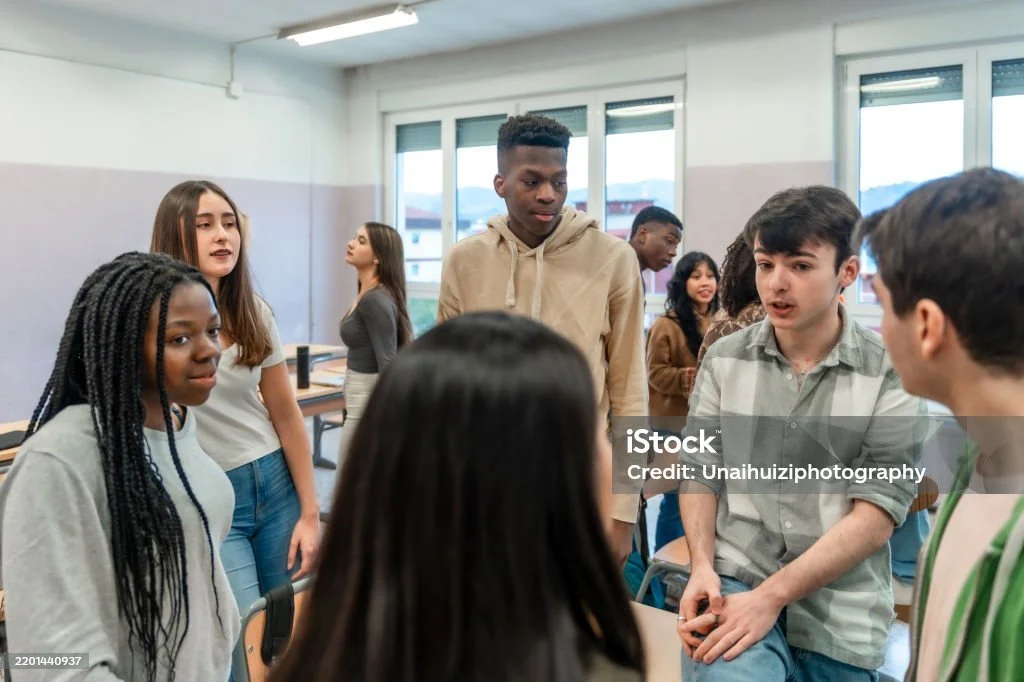


The high schoolers who become TechWise Mentors don't just passively learn the material; they discuss it, debate it, and open up about their own experiences.
Mentors are trained over six weeks, combining research-backed content with guided self-reflection. Mentors then co-create presentations for younger students, adapting the material for elementary and middle school audiences.
Lesson 1: The Attention Economy How Big Tech profits from our attention, and the stats that reveal how much teen time is already captured.
Lesson 2: The Mind How platforms exploit dopamine and the teenage brain's wiring for social connection through persuasive design.
Lesson 3: Mindfulness Body awareness, noticing autopilot, and practical tools (breathing, pausing, body scans) for reclaiming attention.
Lesson 4: Self-Esteem and Social Media The Core 5 Cs of self-esteem, and how social comparison, likes, and curated content quietly erode it.
Lesson 5: Online Safety Content and contact risks, algorithm awareness, AI literacy, privacy settings, and recognizing red-flag feelings.
Lesson 6: Taking Charge Digital agency tools: distraction defenses, sleep protection, environment design, and the concept of intentional use.
The Curriculum
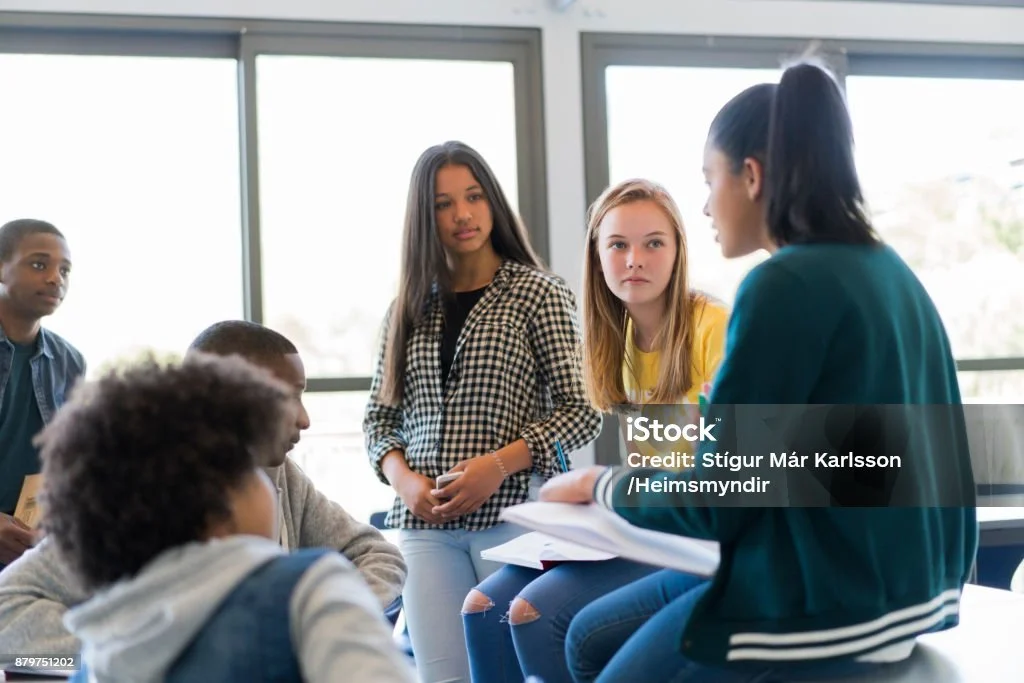

More than a lesson Plan
Student Testimonials
*
Student Testimonials *
"One of the biggest takeaways is the fact that I do have the ability to take control of my tech. That thought felt impossible before, but now I understand the change I can implement in myself."
— Charlotte, mentor
"By being taught by students, I think it resonates more. Students already look up to us because we're older, and are sort of role models to them. I hope to achieve a long-lasting impact, the same call to action that I felt."
— Kate, mentor
"Stacey and Julia didn't make me feel like I was being reprimanded about my habits. I felt like I was learning how to take control of them. I'm not letting my phone control me anymore."
— Talia, mentor
"I think learning about the attention economy was the most impactful for me. I now understand that I don't have to never use social media, but as soon as it starts to feel negative, I have strategies that help me get off it and stay off."
— Sky, mentor
What Mentors and Mentees Gain
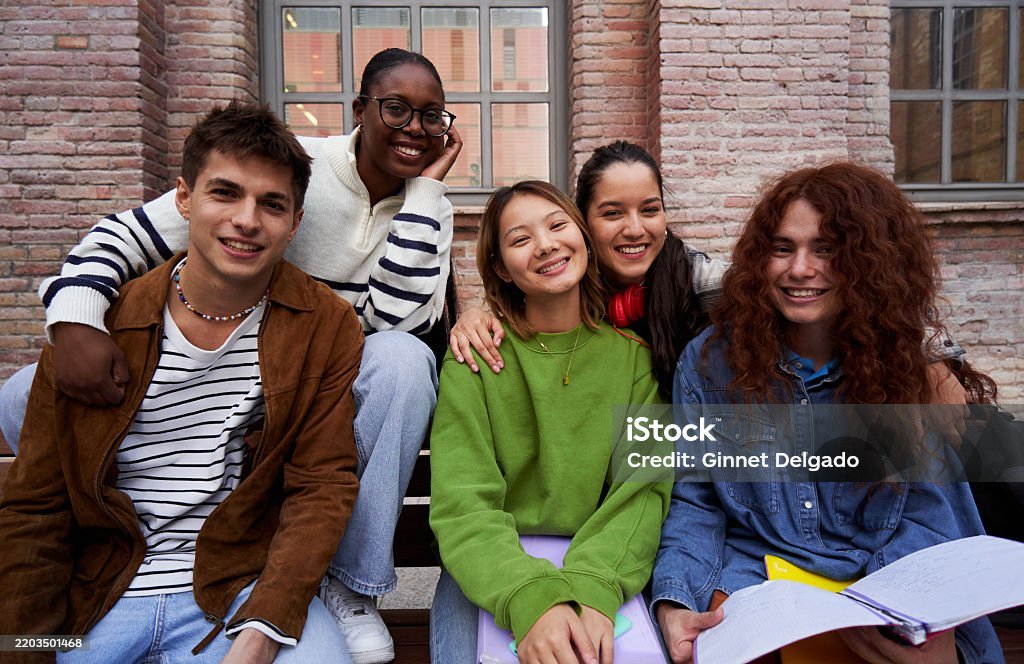
Mentors Gain
A deeper understanding of their own digital habits through the act of teaching
Leadership and public communication skills built over multiple sessions
Documented community service hours and mentorship experience
Curriculum co-creation experience, a genuine college application differentiator
Peer connection and a sense of purpose and agency
A portable skill set for any future school, college, or workplace
Mentees Gain
Critical awareness of how tech shapes attention, self-image, and social behavior, at an age when those patterns are still forming
Practical tools for recognizing persuasive design and building intentional tech use, before habits become entrenched
A framework for understanding how social media affects self-esteem and social comparison
A trusted older peer as an ongoing resource for navigating digital life
A sense of being seen and invested in by older students, and belonging to a school-wide culture of digital awareness
A potential pathway to becoming a mentor themselves, continuing the cycle
Meet the Team
-

Julia Storm
FOUNDER | TEACHER
-

Stacey Kalish
FOUNDER | TEACHER
-

liza Bearman
BOARD MEMBER